Table of contents
Business transparency has become a fundamental expectation for organizations operating in an increasingly interconnected global marketplace. One of the most effective tools for enhancing transparency is the Legal Entity Identifier (LEI), a unique code that provides clear and standardized identification of legal entities involved in financial transactions. Discover how obtaining an LEI can elevate company transparency, enhance stakeholder trust, and ensure compliance with international regulations in the following paragraphs.
Understanding the LEI system
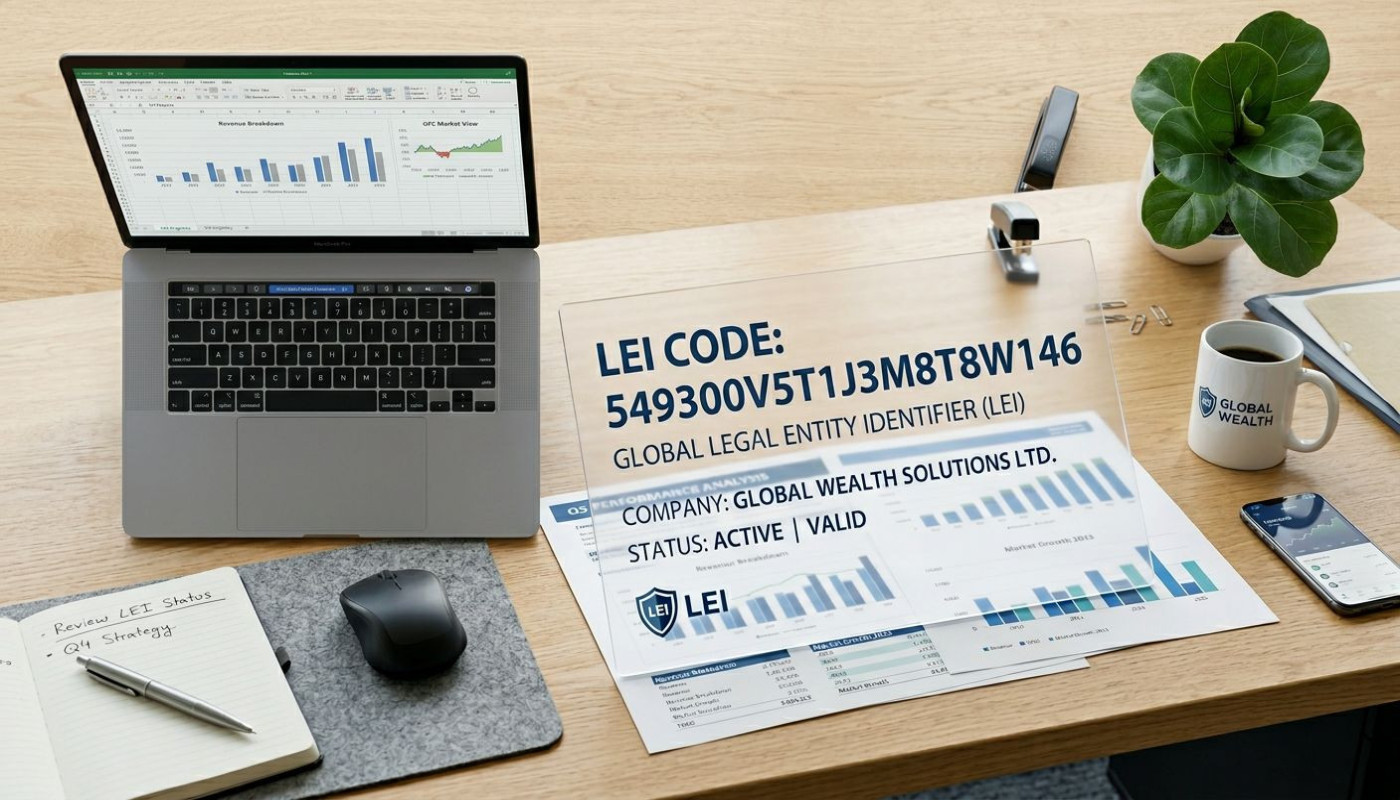
A Legal Entity Identifier (LEI) is a unique alphanumeric code assigned to companies and organizations participating in global business and financial transactions. Developed as a response to the 2008 financial crisis, the system was designed to resolve widespread confusion caused by inconsistent entity identification across borders and industries. By establishing a standardized framework, the LEI system enhances company transparency and ensures that every legal entity involved in financial markets can be precisely recognized. LEI codes are linked to entity reference data, such as company name, registration details, and ownership structure, which is maintained and regularly updated in global databases accessible to regulators, financial institutions, and the public.
The creation of the LEI system addressed critical gaps in financial compliance and risk management by offering a single source of verified information about legal entities. This uniform approach allows for more effective monitoring of systemic risk and supports regulatory authorities in their mission to combat financial crime and market abuse. The adoption of LEIs across global business operations not only simplifies the process of entity identification but also strengthens trust and reliability within the financial ecosystem by making it easier to track relationships between companies. In sum, the Legal Entity Identifier acts as a foundational tool for promoting transparency, reducing fraud, and fostering accountability on an international scale.
Enhancing data accuracy
Obtaining an LEI plays a pivotal role in improving the accuracy and reliability of public company data, directly supporting transparency in finance. LEI registration requires rigorous data validation, ensuring that only verified, up-to-date information about legal entities is entered into global public records. This process significantly minimizes errors and inconsistencies, particularly in cross-border and international transactions where reliable data is vital for operational efficiency. Regulatory bodies benefit from this accuracy, as it enhances regulatory oversight and aids in the detection and prevention of financial crimes. Financial institutions and investors also gain increased confidence, as access to accurate company data streamlines due diligence, risk assessment, and compliance processes, fostering a more transparent and trustworthy business environment.
Facilitating regulatory compliance
Companies operating in today’s interconnected markets face a rapidly expanding web of financial regulations and transparency requirements. The Legal Entity Identifier (LEI code) serves as a global reference point, making it significantly easier for organizations to demonstrate regulatory compliance and adhere to anti-fraud measures. Regulatory policy directors frequently emphasize that proper identification of legal entities is central to Know Your Customer (KYC) protocols, which are fundamental for preventing fraud and promoting fair practices. The universal adoption of the LEI system ensures that financial institutions, regulators, and counterparties can verify each entity’s identity with confidence, reducing the risk of errors or deliberate misrepresentation.
With the increasing demand for transparency from regulatory authorities, companies must respond by integrating tools that streamline compliance processes. The LEI framework simplifies reporting obligations and enhances the traceability of transactions across borders, directly supporting growing transparency requirements. By using an LEI, organizations not only align with evolving financial regulations but also gain a strategic advantage in building trust with stakeholders. This digital identity solution, recognized internationally, is a powerful resource for firms aiming to comply with current and anticipated regulatory standards.
Strengthening stakeholder trust
The implementation of Legal Entity Identifiers (LEIs) significantly enhances stakeholder trust by ensuring a verified company identity is universally accessible. Through LEI lookup services, customers, partners, and investors can confirm the legitimacy of a business, thereby reducing uncertainties and the risk of fraud. Transparency in business is achieved when all parties engage with clear, standardized information about an entity’s ownership and structure, supporting informed decision-making and robust due diligence processes. Identity verification facilitated by LEIs not only increases confidence in commercial transactions but also reinforces business integrity, laying a foundation for more secure and enduring business relationships.
Driving global market efficiency
Widespread LEI adoption significantly enhances global market efficiency by providing a standardized identification system for legal entities across borders. This universal framework streamlines cross-border transactions and reduces the complexities often encountered in international business, enabling operational interoperability between financial institutions, regulatory authorities, and commercial enterprises. By incorporating LEIs into their processes, companies create an environment that supports transparent business practices, making it easier to verify counterparties and assess risks during international operations. Firms that proactively register and maintain their LEI position themselves for long-term advantages, such as reduced administrative burdens, improved access to global markets, and strengthened trust with partners and investors. As international business continues to expand, seamless LEI integration becomes a key driver in building a more transparent and efficient global marketplace, ultimately benefiting both individual organizations and the broader economy.
Similar